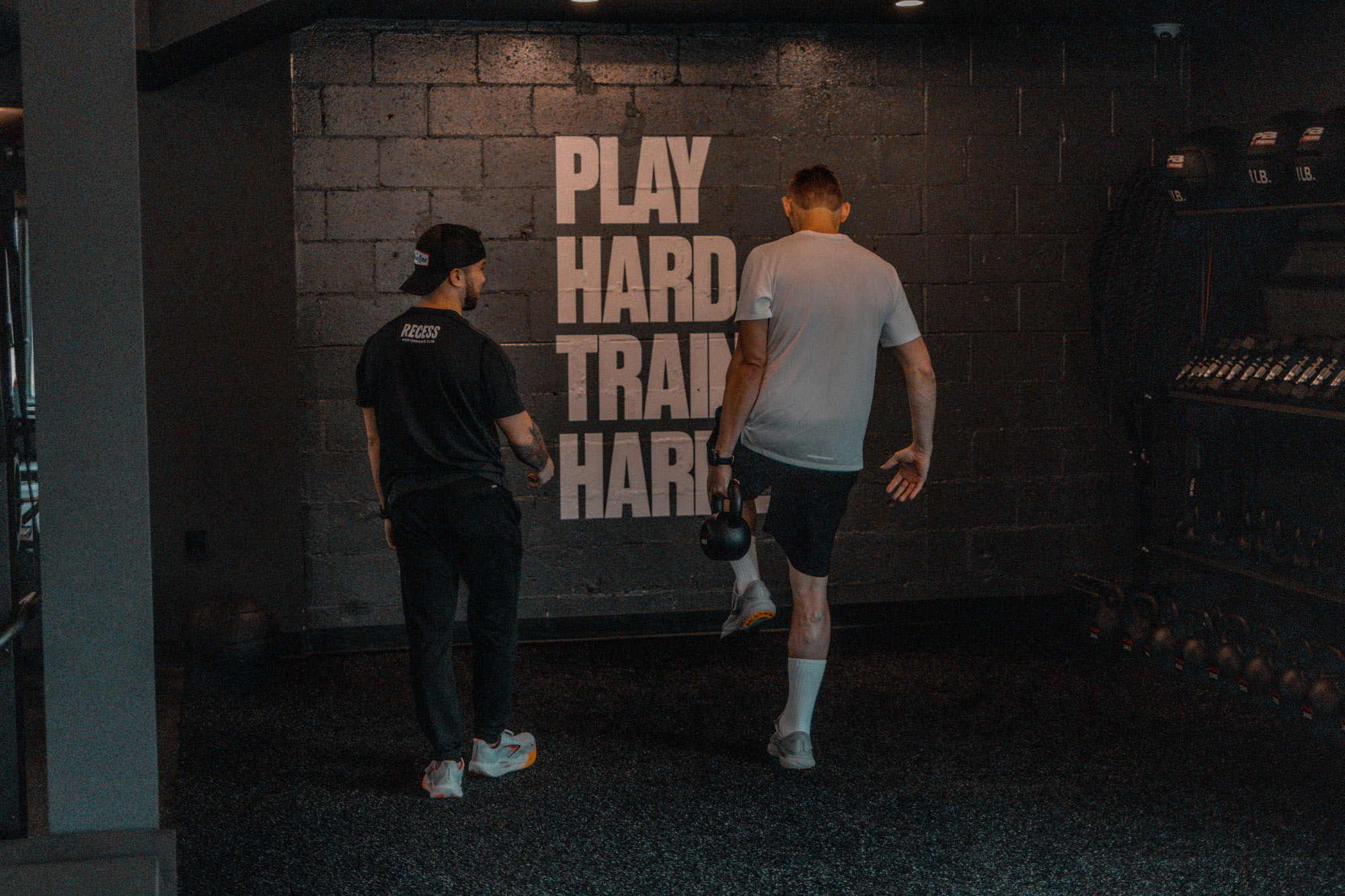

Getting back to running after an injury can be frustrating. You may feel better, but that doesn’t necessarily mean your body is ready to handle your previous mileage, pace, or training volume. A successful return to running requires more than simply waiting for pain to disappear — it means rebuilding the mobility, strength, capacity, and tolerance your body needs to run consistently again.
At Apex Performance Physical Therapy, we take a performance-focused approach to returning to running. That means looking beyond the painful area and assessing the bigger picture: how you move, whether your lower body has the strength and endurance to handle repeated impact, how well you tolerate faster and more reactive movements, and how quickly you’re increasing your training load. A structured walk/run progression and clear pain-monitoring guidelines can help you gradually reintroduce running without trying to do too much too soon.
Want to know what your body needs before you start building your mileage again? We put together a complete Return to Running guide with mobility screens, strength and capacity tests, plyometric progressions, a two-day strength framework, a 10-level return-to-run protocol, pain-monitoring guidelines, and a simple way to track training load
Whether you’re coming back from an injury or simply want to become a stronger, more durable runner, this guide gives you a practical starting point — built by Dr. Joe Rivieccio, PT, DPT, OCS, CSCS, founder of Apex Performance & Physical Therapy.