
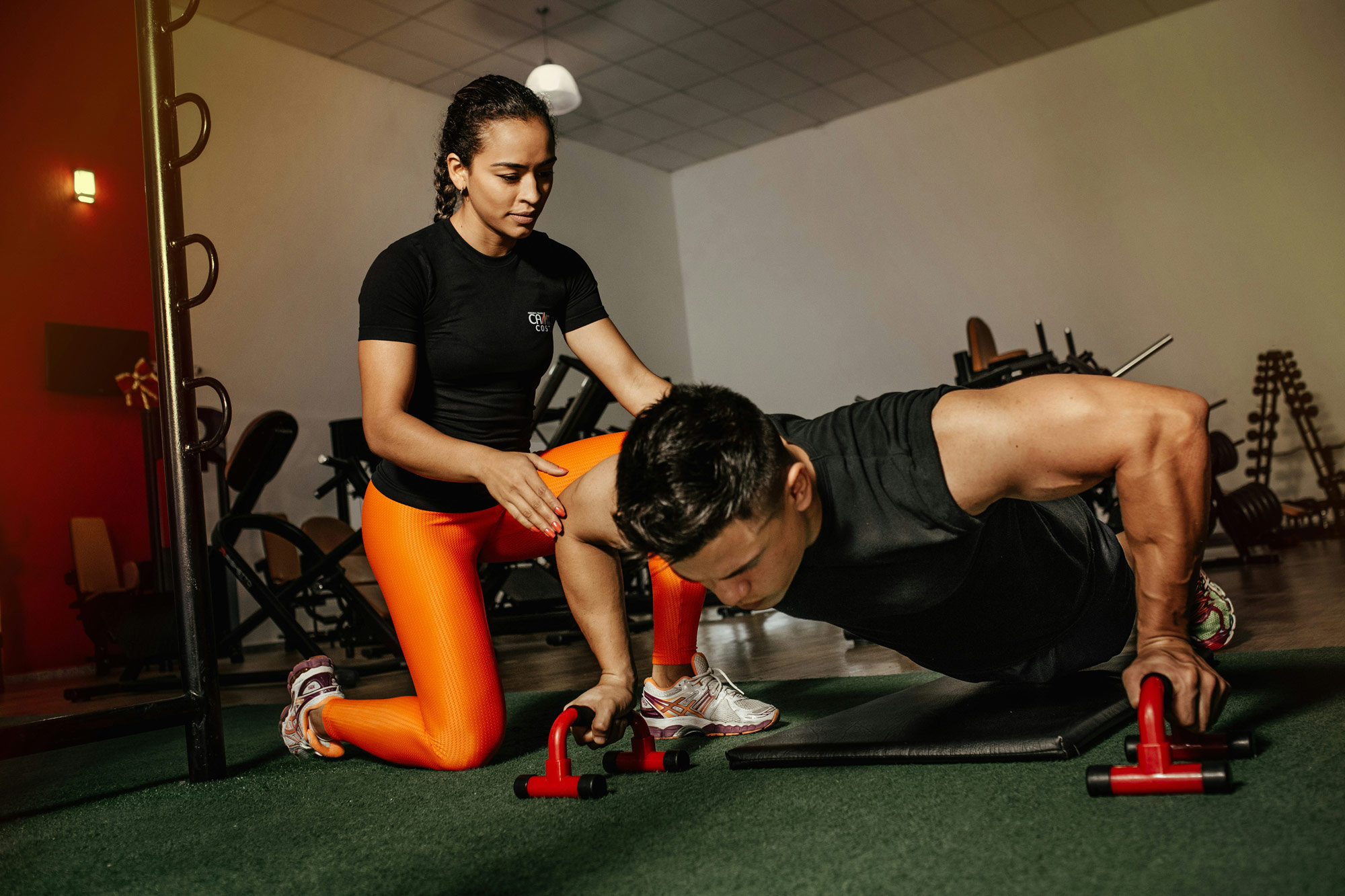
One of the biggest misconceptions in sports rehabilitation and physical therapy is that being pain-free means you are fully recovered. While pain is an important marker of progress, it is only one piece of the return-to-sport process. At many physical therapy clinics in places like Westport and Ridgefield, athletes often reach a stage where daily activities feel normal again but their body may still not be ready for the demands of competition. Research continues to show that return to sport should be viewed as a progression, not a single moment where symptoms disappear.
Pain reduction usually happens earlier than full recovery of strength, power, coordination, endurance, and sport-specific movement capacity. An athlete may jog without pain, but still demonstrate significant weakness, asymmetry, or poor mechanics during cutting, sprinting, jumping, or deceleration tasks. Studies on return-to-play criteria consistently emphasize that successful return to sport involves more than symptom resolution — it also requires restoration of strength, movement quality, confidence, and tissue tolerance under high loads.
Another major factor that is often overlooked is re-injury risk. Research has shown that athletes who return too quickly, especially before meeting objective functional criteria, are at a significantly higher risk for recurrence. This is commonly seen with ACL injuries, hamstring strains, Achilles tendon injuries, and overuse conditions. Even if an athlete “feels good,” the body may not yet be prepared for the speed, unpredictability, and intensity of live sport. That is why performance testing, strength benchmarks, hopping drills, change-of-direction work, and gradual sport exposure are critical components of modern sports physical therapy programs in communities like Westport and Ridgefield.
Psychological readiness also plays a major role in the recovery process. Athletes may be pain-free physically, but still hesitate during cutting, sprinting, or contact situations because of fear of re-injury. Confidence, reaction timing, and trust in the injured area are all important pieces of returning safely to competition. Current sports medicine literature increasingly recognizes that returning to performance is different from simply returning to participation.
The goal of physical therapy is not simply to eliminate pain, it is to prepare the body for the demands of real sport. Whether you are a runner, baseball player, soccer athlete, or weekend warrior in Westport or Ridgefield, the safest return-to-sport decisions are based on objective testing, progressive loading, and sport-specific readiness rather than symptoms alone. Being pain-free is a great milestone, but it should be viewed as the beginning of the final phase of rehab — not necessarily the finish line.